
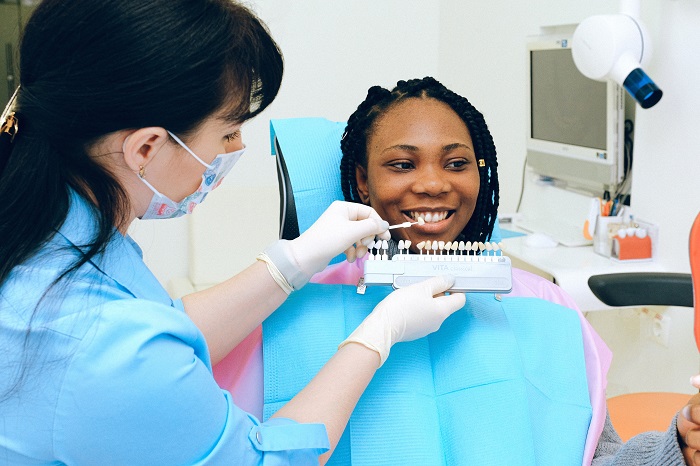
Why do we prefer Neodent implants?

The field of dentistry is changing at a rapid pace. Every month, a new implant, composite, scanner, or orthodontic device enters the ever-changing environment. With so many options available, separating the wood from the trees can be challenging, and deciding what is best for your patients and your practice.

Dental customers are constantly working to enhance the quality of service and our patient and referral practice offerings. Therefore, changing implant systems was not a choice we took lightly, necessitating much investigation. But, fundamentally, the decision was motivated by a desire to provide our patients and referral patients with a better long-term outcome and a more straightforward, less stressful option.

With this in mind, we decided to use Neodent implants as our primary implant platform. We hope you enjoyed reading about our decision-making process, and we welcome any inquiries about our upcoming courses or open nights.

Who exactly are Neodent?

When Instradent (a Strauman firm) approached us about Neodent implants, our first inquiry was, “Who are Neodent?” We’ve never heard of them before.’ This is a question that, ironically, keeps coming up right now.

What considerations influenced our decision to use Neodent implants?

1. Dependability and research

Research and dependability are the first and arguably most significant considerations when selecting an implant system. In this regard, Neodent is an excellent system. It is supported by over 20 years of peer-reviewed research. Over ten years, the system has achieved a success rate of 96.5%. (open study with 3,578 patients).

2. Ongoing assistance and education

We were seeking a firm that would support both us and our referral practices to help them expand and add dental implants to their clinics. In addition, we sought an implant firm to alleviate the difficulty and anxiety of learning to maintain or install dental implants.

3. Usability

Those of you who have looked through an implant catalog or have had experience with dental implants will know that the variety of platform sizes, connectors, and healthy choices might be bewildering at first.

Working with our referral dentists, we discovered that many preferred a more straightforward approach to implant restoration. With this in mind, Neodent implants and its CM implant series were an excellent choice. The connection is a genuine cone morse taper, which provides excellent long-term stability with no microleakage or micromovement.

4. Outstanding soft tissue health and attractiveness

Bone preservation and soft tissue health are two of the most challenging components of implant dentistry. Neodent implants provide a revolutionary approach to placement and restoration treatments that looks to give some advantages in bone-level preservation and soft tissue health.

5. A remedy for every problem

As a clinic, we sought a single implant partner that could offer everything from primary implants to whole-mouth fixed and removable options. With screw- or cement-retained implants, the single implant or multiple frozen implant solutions are appropriate for patients and physicians. In addition, they are uncomplicated and easy to learn with the correct training and assistance.

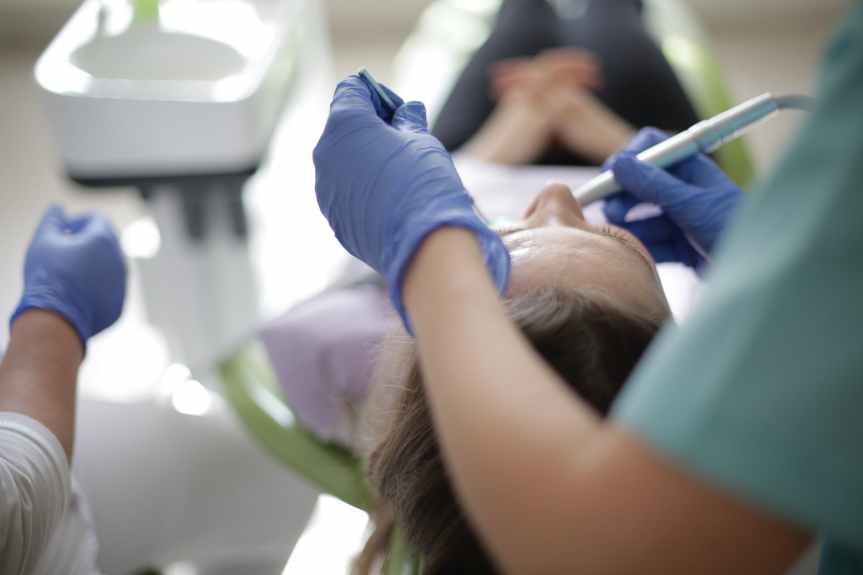
5 Reasons You Might Require Bone Grafting Near Me

If you’re thinking about getting dental implants, be sure your gums and bone are in good shape first. A bone graft may be required if your bone is abnormally thin or soft. Healthy bone tissue transfer to aid with bone regeneration during a bone grafting near me procedure.

If you have any of the problems listed below, you may need bone grafting before receiving dental implants.

A tooth that has been extracted or is no longer present.

The bone around a removed or missing adult tooth can deteriorate. The bone mass that has lost cannot replace. However, bone grafting can use to strengthen the area where a tooth has been pulled and give support for a future implant.

Infection of the mouth

Gum disease can cause jawbone resorption and tooth loosening, both of which can lead to tooth loss. As a result, germs slowly eat away at the jawbone, causing periodontal misalignment. Following gum disease treatment, bone grafting can help rebuild and strengthen your teeth’s base.

Crooked teeth

If you have crooked teeth, cleaning between them may be difficult, contributing to dental decay and gum disease. If the problem not addressed, it can progress to periodontitis, a bacterial infection that damages the bone and teeth. To restore the damaged jawbone, a bone grafting procedure will perform.

Developmental flaws

Specific congenital disabilities distinguish by the absence of teeth, facial bones, or jaws. A bone transplant can provide adequate support for an implant, allowing for restoring function and growth in areas where none previously existed.

Facial injuries and trauma

For example, bruxism, or teeth grinding, can strain the teeth, causing tooth-supporting tissue to wear away. Bone transplants may be required to restore bone function and regenerate new bone.

FAQ

Do you know how long it takes to recover from bone transplant surgery?

Patients undergoing bone marrow transplantation usually have no pain or complications if they follow the prescribed antibiotic treatment. However, before your dentist may use bone grafts, they must fuse with your native teeth.

Is a bone graft an extensive surgical procedure?

The most commonly given organs are the skull, hip, and knee. Extensive bone grafting is required when a patient suffers a catastrophic injury, undergoes tumor surgery, or is born with congenital abnormalities. Major bone grafting surgeries usually necessitate a lengthy hospital stay.

How long does it take to recover after a bone graft?

Because the bone transplant takes three months to heal, you could be out of commission for two to three months. Therefore, it is crucial to maintain the region around the bone transplant clean and dry for at least six months and avoid strenuous exercise.

What are the different forms of bone grafting treatments?

Allograft is the most common type of bone graft, which uses bone from a deceased donor or cadaver that has been cleaned and stored in a tissue bank. Autografts are bone grafts taken from the patient’s body, typically from the ribs, hips, pelvis, or wrist.

Crown Lengthening Near Me – How A Cosmetic Dentist Can Improve Your Natural Smile

Do you believe your smile isn’t as brilliant as it might be? Cosmetic dentistry is becoming more popular, and there are a variety of procedures available to help you improve your smile. Crown lengthening is one example of such a procedure. Crown lengthening Near Me is also known as a gum lift. It’s ideal for folks with a “gummy” grin. It works by exposing more of your natural teeth, giving them the illusion of being larger and longer. A cosmetic dentist performs this type of procedure. When it comes to crown lengthening, keep the following points in mind:

What Exactly Is Crown Lengthening and What Does It Imply?

A cosmetic dentist can conduct this operation on anyone who has an irregular gum line or small teeth. Crown lengthening is a cosmetic operation that includes removing some gum tissue from the top of the mouth to make the teeth seem longer. It may also be required for anyone who has a bone fracture or degeneration in their upper jaw. The additional gum tissue will be removed by the dentist to treat the damage.

What Takes Place During the Procedure?

Patients are given local anesthesia for this operation. The cosmetic dentist will then detach the gums from the teeth by making small incisions in them. Following that, the dentist will remove any extra gum tissue and assess if more is necessary to get the desired result. In some circumstances, a little portion of bone may also need to be removed. After the tissue has been removed, the dentist will clean the area and stitch up the gums.

What Are the Advantages?

One of the most intriguing characteristics of crown lengthening is that, unlike veneers or crowns, the procedure is only performed once. It will help you achieve a more equal and symmetrical grin. The method can help reduce the risk of dental decay since more of the tooth is exposed and can be cleaned and flossed.

What Are the Consequences?

The expense of the procedure is one of the most important disadvantages. If you require surgery for a medical reason, your insurance may cover a portion of the costs. Following the procedure, you may have some pain and edema. There is also the possibility of infection.

Crown lengthening can be quite beneficial for many people. Whether you suspect you might benefit from this procedure, schedule a consultation with your cosmetic dentist to see if you are a good candidate.

FAQ

Is it essential to enlarge the crown?

Crown lengthening is required when a dentist finds deterioration in a difficult-to-reach tooth. This decay is often concealed deep beyond the gums, and no matter what tactics they employ, they will not be able to fully access the decay unless a crown lengthening surgery is performed.

Will my gums regenerate after a crown lengthening procedure?

How Long Does It Take For Gums To Grow Back After Crown Lengthening? When the gums have fully recovered, they normally recede a little more, allowing the final gingival margin to be established for the implantation of crowns or veneers. Your gums have a little possibility of growing back after you’ve had a bone removed.